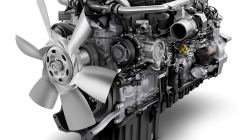
Understanding the role of a commercial vehicle lawyer is crucial for anyone involved in the transportation industry. These legal professionals specialize in matters related to commercial vehicles, from accidents to regulatory compliance, ensuring that businesses operate within legal boundaries.
Whether you own a fleet of trucks or operate a delivery service, having the right legal representation can safeguard your interests and promote safe practices on the road. This overview will dive into the significance of hiring a commercial vehicle lawyer and how they can facilitate smoother operations for your business.
Communication is an essential skill that we utilize daily, whether in our personal relationships or professional environments. It is the foundation upon which we build connections, share ideas, and navigate the complexities of human interaction. While many might consider communication to be a straightforward task, the truth is that it requires a thoughtful approach, especially in today’s diverse and fast-paced world.
Understanding Communication
At its core, communication is the transfer of information from one party to another. This can occur through various channels—verbal, non-verbal, written, and visual. Each form of communication comes with its own set of nuances and best practices. Verbal communication, for example, encompasses tone, clarity, and the pace of speech, while non-verbal communication includes body language, facial expressions, and even silence.
Understanding these elements is crucial for effective communication.
The Importance of Listening
One of the most critical components of effective communication is active listening. It goes beyond merely hearing the words spoken; it involves fully engaging with the speaker and understanding their message. Active listening ensures that the listener is present in the moment, allowing them to respond thoughtfully rather than reactively. Techniques such as paraphrasing what the speaker has said, asking clarifying questions, and providing feedback can enhance listening skills and foster a more productive dialogue.
Clarity and Conciseness
In a world filled with distractions, clarity and conciseness are essential. When conveying information, it’s vital to express thoughts clearly and directly, avoiding jargon or overly complex language. Too much information can overwhelm the receiver, leading to misunderstandings. Aim to structure your thoughts logically; start with the main idea, provide supporting details, and conclude with a summary. This structured approach helps ensure that your message is understood as intended.
Non-Verbal Communication
Non-verbal cues play a significant role in communication, often conveying more than words can express. Body language, eye contact, and facial expressions can enhance or contradict what is being said. For example, maintaining eye contact during a conversation can demonstrate interest and confidence, while crossed arms may signal defensiveness or disengagement. Being aware of your non-verbal signals and those of others can help you navigate conversations more effectively.

Empathy and Emotional Intelligence
Effective communication is not just about exchanging information; it also involves understanding emotions. Empathy allows communicators to connect on a deeper level, recognizing and validating the feelings of others. Emotional intelligence plays a key role in this process, as it involves the ability to perceive, control, and evaluate emotions in oneself and others. By practicing empathy, we can foster a more supportive and open environment for communication.
Adapting to Your Audience
Each audience is unique, and adapting your communication style to fit the needs and preferences of your audience is vital. Consider factors such as age, cultural background, and professional context when crafting your message. For instance, a casual tone may work well in a friendly conversation but could be inappropriate in a formal business meeting. Tailoring your approach demonstrates respect for your audience and enhances the effectiveness of your communication.
Feedback and Continuous Improvement
Feedback is a crucial element of effective communication. It allows us to gauge how our messages are received and identify areas for improvement. Encouraging feedback from others creates a culture of open communication and continuous learning. Additionally, being open to receiving constructive criticism helps develop resilience and adaptability, essential traits for effective communicators.

The Role of Technology in Communication
In today’s digital age, technology has transformed the way we communicate. From emails and instant messaging to video calls and social media, the channels for communication have expanded significantly. While these tools offer convenience and efficiency, they also present challenges, such as the risk of misinterpretation due to the absence of non-verbal cues. It’s important to be mindful of how technology impacts our communication and to use it thoughtfully to enhance, rather than hinder, our interactions.
Building Strong Relationships Through Communication
Effective communication is the cornerstone of strong relationships, both personal and professional. It fosters trust, collaboration, and understanding, which are vital for successful interactions. Investing time in developing communication skills not only improves individual relationships but also contributes to a positive organizational culture. In the workplace, clear communication can lead to improved team dynamics, increased productivity, and higher employee satisfaction.
Conclusion
In conclusion, the art of effective communication is a multifaceted skill that requires practice and dedication. By embracing the principles of active listening, clarity, empathy, and adaptability, we can enhance our communication abilities and build stronger connections with others. As we navigate through our daily interactions, let us remember that communication is not just about exchanging words; it’s about creating understanding and fostering relationships that enrich our lives.
Key Questions Answered
What does a commercial vehicle lawyer do?
A commercial vehicle lawyer helps clients navigate legal issues related to commercial vehicles, including accidents, insurance claims, and compliance with transportation regulations.

When should I hire a commercial vehicle lawyer?
You should consider hiring a commercial vehicle lawyer if you are involved in an accident, face legal challenges, or need assistance with regulatory compliance.
How can a commercial vehicle lawyer help with insurance claims?
A commercial vehicle lawyer can assist you in filing claims, negotiating with insurance companies, and ensuring you receive fair compensation for damages and losses.
What are the common legal issues faced by commercial vehicle operators?
Common issues include accidents, liability claims, regulatory compliance, and contract disputes with shippers or clients.
Do commercial vehicle lawyers specialize in specific types of vehicles?
Many commercial vehicle lawyers have expertise in various types of vehicles, including trucks, vans, and buses, allowing them to address specific legal needs related to those vehicles.