Fleet telematics solution is revolutionizing the way businesses manage their vehicles, providing real-time data that helps improve efficiency and reduce operational costs. This innovative technology integrates GPS tracking, onboard diagnostics, and communication systems, offering fleet managers valuable insights into vehicle performance, driver behavior, and maintenance needs.
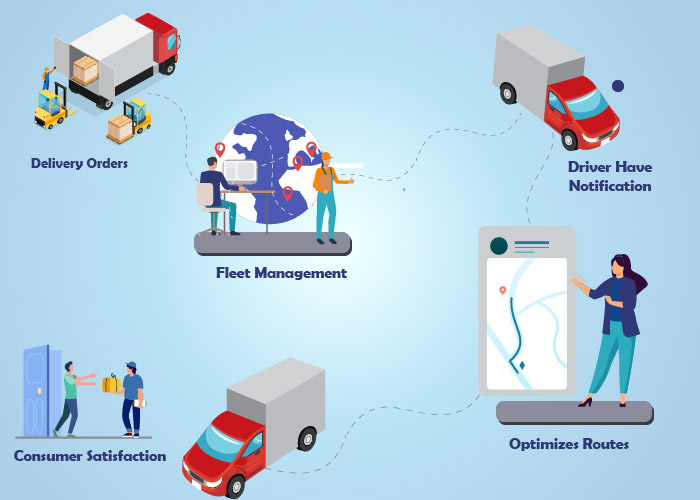
As fleets become more complex and the demand for efficiency increases, telematics solutions serve as a vital tool in ensuring smooth operations. By harnessing the power of data analytics, businesses can optimize routes, monitor fuel consumption, and enhance safety protocols, ultimately leading to better service delivery and customer satisfaction.
In recent years, the world has witnessed a significant shift in various areas, propelled by technology, innovation, and the ever-evolving needs of society. This article delves into several key trends that are shaping our future, touching on aspects such as digital transformation, environmental sustainability, and the importance of mental health awareness.To begin with, digital transformation has become a buzzword in various industries.
Businesses, regardless of their size and sector, are increasingly adopting digital tools and technologies to enhance efficiency and improve customer experiences. From cloud computing to artificial intelligence, the integration of these technologies has streamlined operations and opened new avenues for growth. For instance, many companies are harnessing data analytics to gain insights into consumer behavior, allowing them to tailor services and products to meet specific needs.
This shift not only enhances operational efficiency but also fosters innovation, as organizations can experiment with new ideas and rapidly adapt to market changes.Moreover, the rise of remote work has fundamentally altered the traditional workplace model. The COVID-19 pandemic forced many organizations to rethink their operations, leading to a widespread shift to remote work. This change has highlighted the importance of flexible work arrangements and the need for companies to invest in digital infrastructure to support their workforce.
While remote work presents challenges, such as maintaining team cohesion and managing productivity, it also offers opportunities for increased work-life balance and access to a broader talent pool. As businesses continue to embrace this model, we can expect a more hybrid approach to work, blending in-person and remote interactions.Another critical trend is the growing emphasis on environmental sustainability. As climate change becomes an increasingly pressing issue, both individuals and organizations are recognizing the importance of adopting sustainable practices.
Companies are taking steps to reduce their carbon footprints, whether through renewable energy initiatives, waste reduction programs, or sustainable sourcing strategies. For example, many businesses are committing to net-zero emissions by a specific date, prompting significant changes in their operations. This shift not only satisfies consumer demand for environmentally friendly products but also positions companies as leaders in corporate responsibility.In addition to corporate initiatives, there is a burgeoning movement among consumers to prioritize sustainability in their purchasing decisions.
More people are seeking out brands that align with their values, particularly those that demonstrate a commitment to environmental stewardship. This trend has led to the rise of sustainable fashion, eco-friendly products, and plant-based diets, as consumers increasingly consider the impact of their choices on the planet.Furthermore, mental health awareness is gaining traction, with an increasing number of people recognizing the importance of mental well-being.
In recent years, the stigma surrounding mental health issues has begun to diminish, allowing individuals to seek help and support without fear of judgment. This cultural shift is evident in the workplace, where employers are increasingly prioritizing mental health resources and creating supportive environments for their employees. Initiatives such as mental health days, employee assistance programs, and wellness workshops are being implemented to promote overall well-being.
The emphasis on mental health extends beyond the workplace; it is becoming a central focus in schools, communities, and healthcare systems. As awareness grows, so does the understanding that mental health is just as critical as physical health. Innovations in teletherapy and mental health apps are making it easier for individuals to access support, breaking down barriers to care and enabling people to prioritize their mental well-being.Education is another area undergoing transformation.
The advent of online learning platforms and educational technologies has revolutionized how knowledge is imparted. Students now have access to a wealth of resources and learning opportunities beyond traditional classrooms. This accessibility has democratized education, allowing learners from diverse backgrounds to pursue their academic goals. Moreover, personalized learning experiences powered by artificial intelligence are tailoring curricula to meet individual needs, fostering a more inclusive and effective learning environment.As we look ahead, it is crucial to consider the implications of these trends for the future.
The convergence of technology, sustainability, and mental health awareness presents both challenges and opportunities. For instance, while the rapid pace of technological advancement can lead to job displacement, it also creates new roles and industries that did not exist before. Similarly, as businesses strive for sustainability, they must balance economic growth with environmental responsibility, highlighting the need for innovative solutions that address both.In summary, the interplay between digital transformation, environmental sustainability, and mental health awareness is shaping the world we live in today.
These trends are not isolated; they are interconnected and influence each other in profound ways. As we navigate this changing landscape, it is essential for individuals, organizations, and communities to embrace these shifts and work collaboratively towards a future that is not only innovative but also equitable and sustainable. By prioritizing these values, we can create a better world for ourselves and future generations, where technology serves as a tool for good, the planet is cared for, and mental health is treated with the importance it deserves.
Common Queries
What is fleet telematics?
Fleet telematics is a technology that combines GPS tracking and onboard diagnostics to monitor and manage vehicle performance and driver behavior in real-time.
How does fleet telematics improve safety?

By providing insights into driver behavior, telematics can identify unsafe driving patterns and encourage safer practices, reducing the risk of accidents.
Can fleet telematics reduce costs?
Yes, it helps reduce costs by optimizing routes, improving fuel efficiency, and preventing unnecessary maintenance through timely diagnostics.
What industries benefit from fleet telematics?

Industries such as transportation, logistics, construction, and delivery services greatly benefit from fleet telematics solutions.
Is fleet telematics technology scalable?
Absolutely, fleet telematics solutions can be scaled to fit any size of fleet, from small businesses to large enterprises, adapting to their specific needs.